
What kind of content does AI cite? 7 ways to get ChatGPT and Gemini to cite your website
When AI answers a question, it picks pages it can read, trust and that say something specific. This article turns the clues in research and official documentation into 7 changes a B2B website can make, with a before-and-after example.
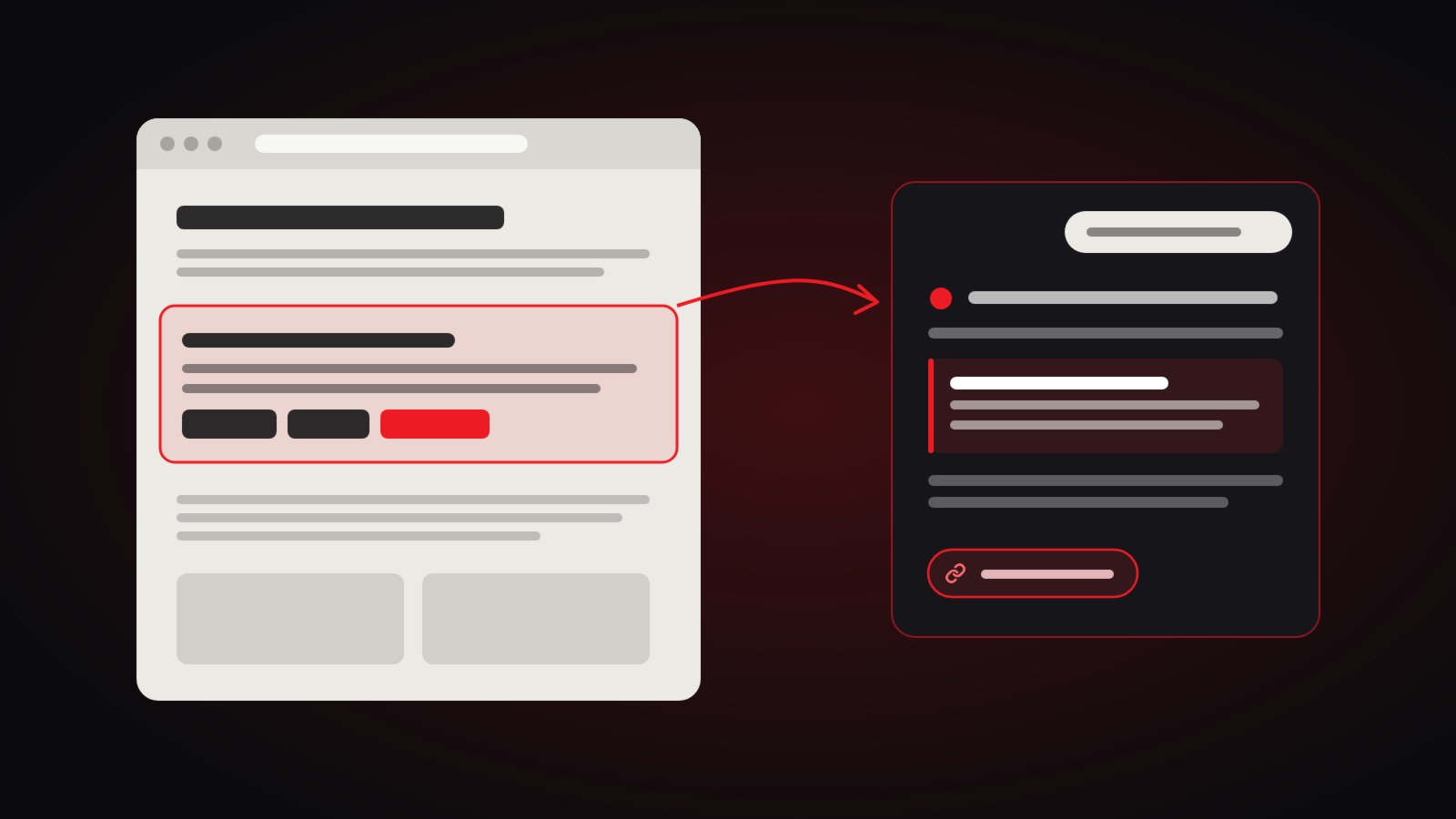
When AI answers a question, it picks a few of the pages it has read to cite. The pages it picks usually have three things in common: easy to read, trustworthy, specific. This article turns the clues in research and official documentation into 7 changes a B2B website can make. It belongs to the GEO series.
The short version
- Research shows that adding sources, quotations and concrete numbers can raise content's visibility in AI answers by up to 40%.
- Google has no separate rules for AI Overviews; it comes back to the old principle of trustworthy content written for people.
- What works best for B2B is writing facts like specifications, industries and lead times as text, one topic per page.
First, how AI picks its sources
For ChatGPT search and Google AI Overviews, the process is roughly: find relevant pages the way a search engine does, read them, then compose an answer with the sources it used. So to be cited you first have to be found (the technical side), then chosen (the content side).
In "Creating helpful, reliable, people-first content", Google puts trust at the centre: of experience, expertise, authoritativeness and trustworthiness (E-E-A-T), trust matters most. Google also explains that AI Overviews use the same fundamental practices as regular search, so the principle applies there too.
7 ways to write
1. Answer in the first paragraph
Open every page with a sentence or two that gives the whole answer: who you are, what you do, where, for whom. When AI extracts passages, the easiest to take are self-contained sentences that make sense without context.
2. Write specifications as text, not only in images
Materials, size ranges, tolerances, capacity, lead times and certifications are the words buyers actually use when they ask AI. Put them in images or scans and search engines and AI may well not read them. Google's recommendations for sites include this too: provide important content in text form. For catalogs, see Can Google and AI read the PDF catalogs on your website?
3. Give numbers a source
The KDD 2024 paper "GEO: Generative Engine Optimization" tested nine rewriting methods; among the most effective were citing sources, adding quotations and adding statistics. For B2B, the numbers can be your own (number of machines, industries served, lead times) or public industry data, but say clearly where they come from.
4. One topic per page
If a page crams in ten products, AI struggles to tell which one it's about. Give each product line, service and industry application its own page, with a clear URL and title. How to divide up a website: What pages does a B2B manufacturing website need?
5. Turn buyers' common questions into Q&A
One question, one answer for what buyers ask: "What's the minimum order quantity?" "Can you build to our drawings?" "What's the lead time?" This format looks a lot like the questions AI receives, so it's the easiest to cite whole.
6. Keep company details consistent everywhere
Company name, address and phone number should be the same on every page and every platform. If an old address or old name lingers online, AI won't know which to believe. Then mark them up with structured data.
7. Let AI's crawlers in
Check whether your robots.txt blocks Googlebot or OAI-SearchBot. OpenAI's documentation is clear: sites that block OAI-SearchBot won't appear in ChatGPT's search answers.
A before-and-after example
The text below is a demonstration, not any company's real details.
Before:
Our company upholds a professional spirit, provides high-quality precision parts, and enjoys the deep trust of our customers.
After:
We are a CNC precision machining shop in Taichung making aluminium alloy and stainless steel parts. We take small orders from a single piece and can work from your engineering drawings.
AI can use the second version directly to answer "Where in Taichung can I get small-batch CNC machining?" The first answers no question at all.
How to tell whether the changes worked
Go back to the method in Does your company show up in AI answers? and ask the same set of questions again, comparing how often you're mentioned, your position and which pages are cited. TAITAN's Echo does this automatically on a schedule, with results collected in the reports from our SEO/GEO service. To find out where to start, book a 360° Diagnosis.
Further reading
- Series overview: What is GEO? How it differs from SEO, and where a B2B company should start
- Does your company show up in AI answers? Three ways to check for yourself
- What is structured data, and why does AI need it to read your website?
- B2B website series: What pages does a B2B manufacturing website need?
References
- Aggarwal, P. et al. (2024). GEO: Generative Engine Optimization. KDD 2024.
- Google Search Central. Creating helpful, reliable, people-first content.
- Google Search Central. AI features and your website.
- OpenAI. Overview of OpenAI Crawlers.