TAITAN

Blog/Four topics

Before your buyers ask AI,read this

What B2B companies ask us comes down to GEO, SEO, their website, and how a factory can use AI. We wrote the answers down one at a time. Read them first, then decide whether you need someone to do it.

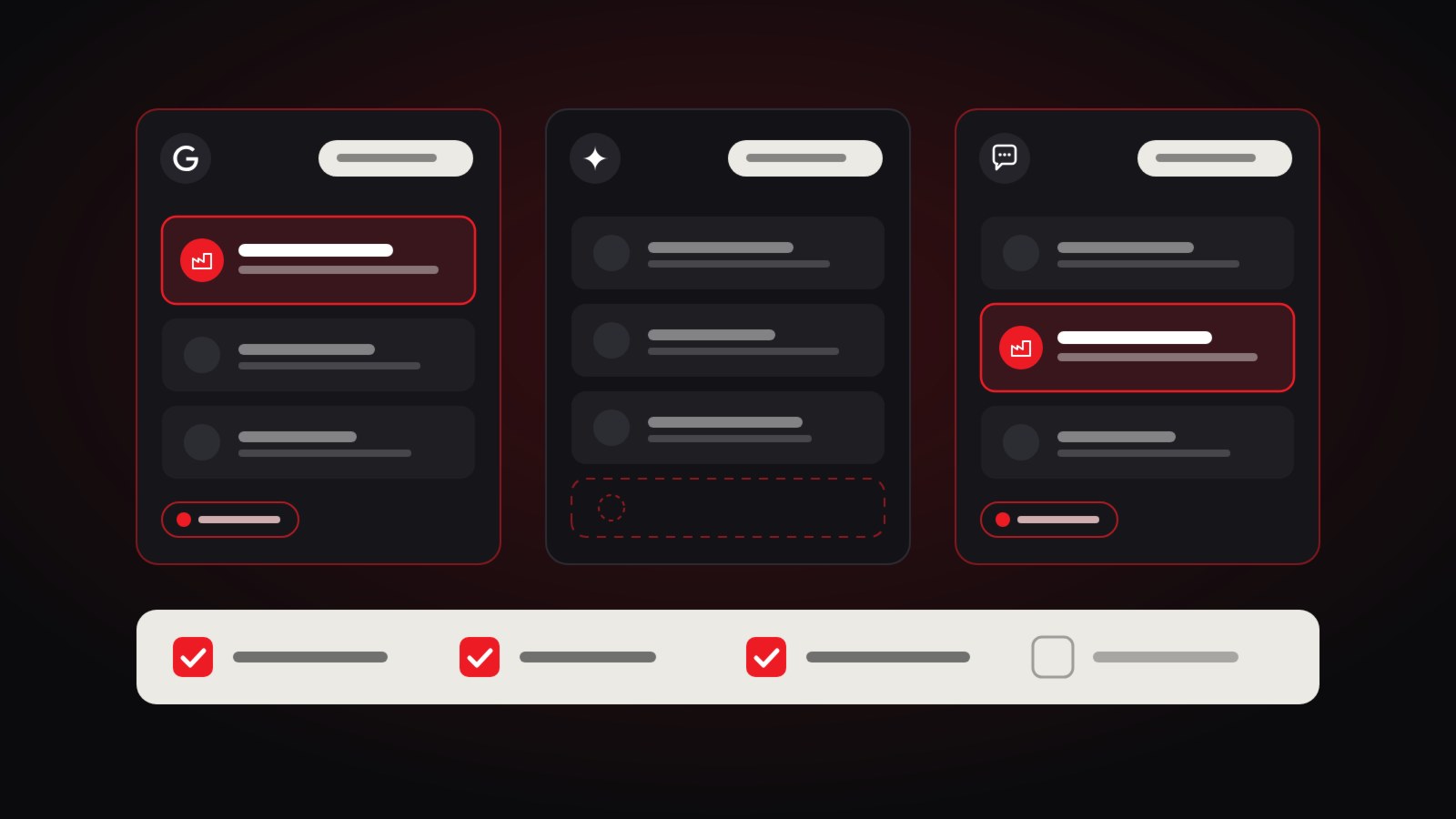
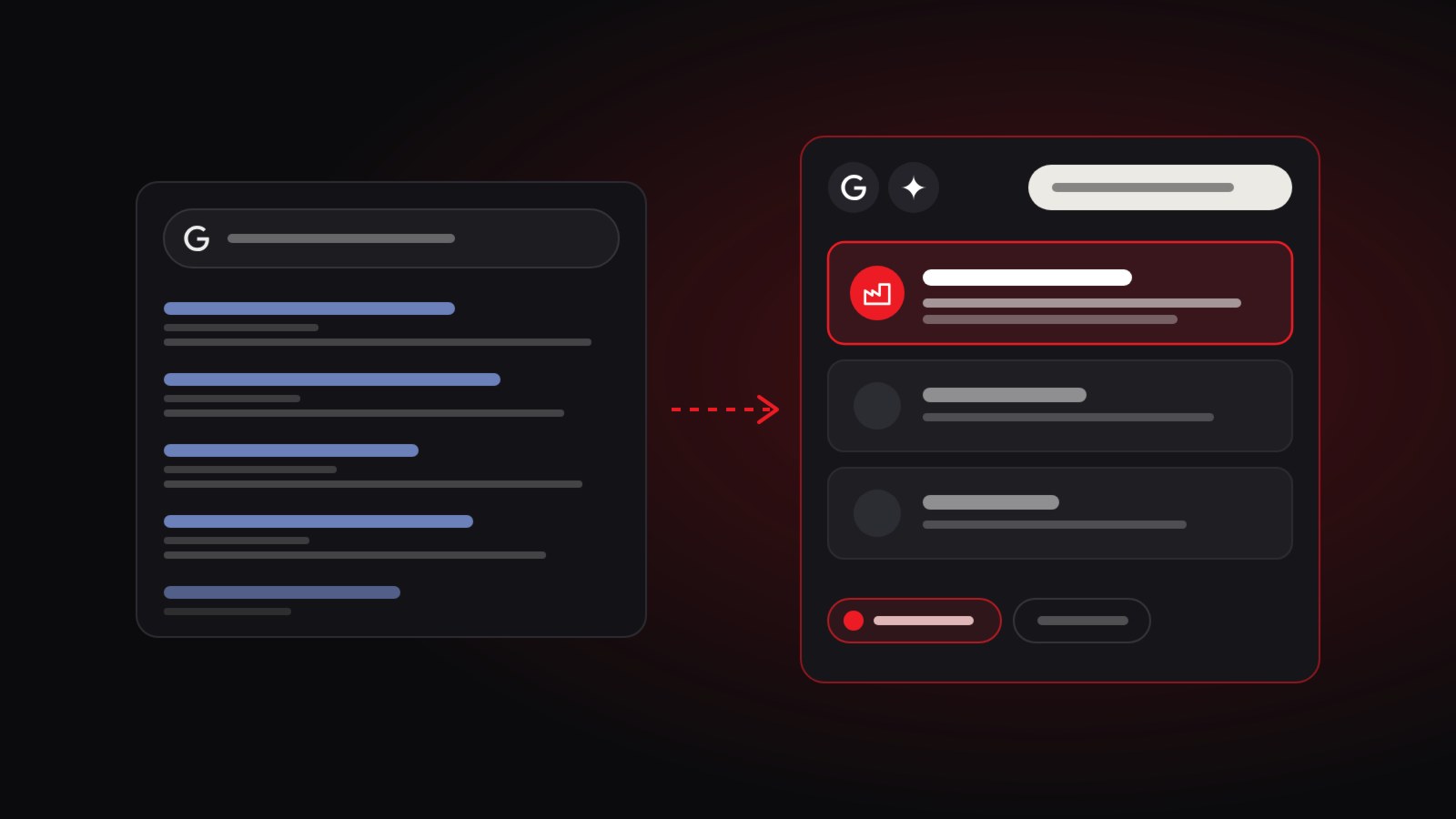
  1. Diagram: on the left a list of blue Google search links, on the right an AI answer listing suppliers directly, with one factory at the top highlighted in red alongside its cited source

    GEO

    What is GEO? How it differs from SEO, and where a B2B company should start

    GEO (generative engine optimization) gets ChatGPT, Gemini and Google AI Overviews to mention you when they answer. It shares SEO's foundations and asks one more question: after reading your website, can AI say who you are, and is it willing to cite you? This is the overview of our GEO series.
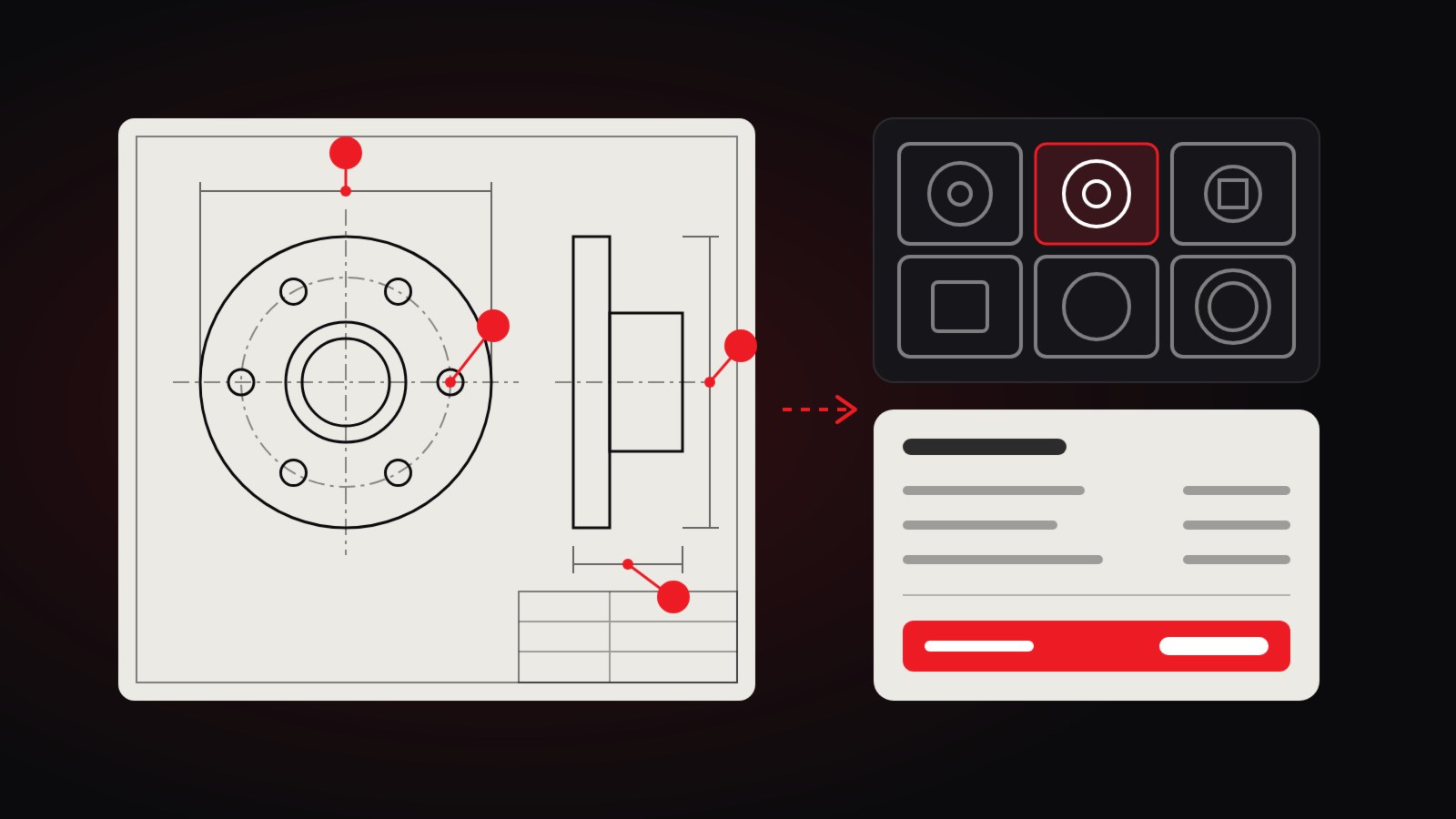
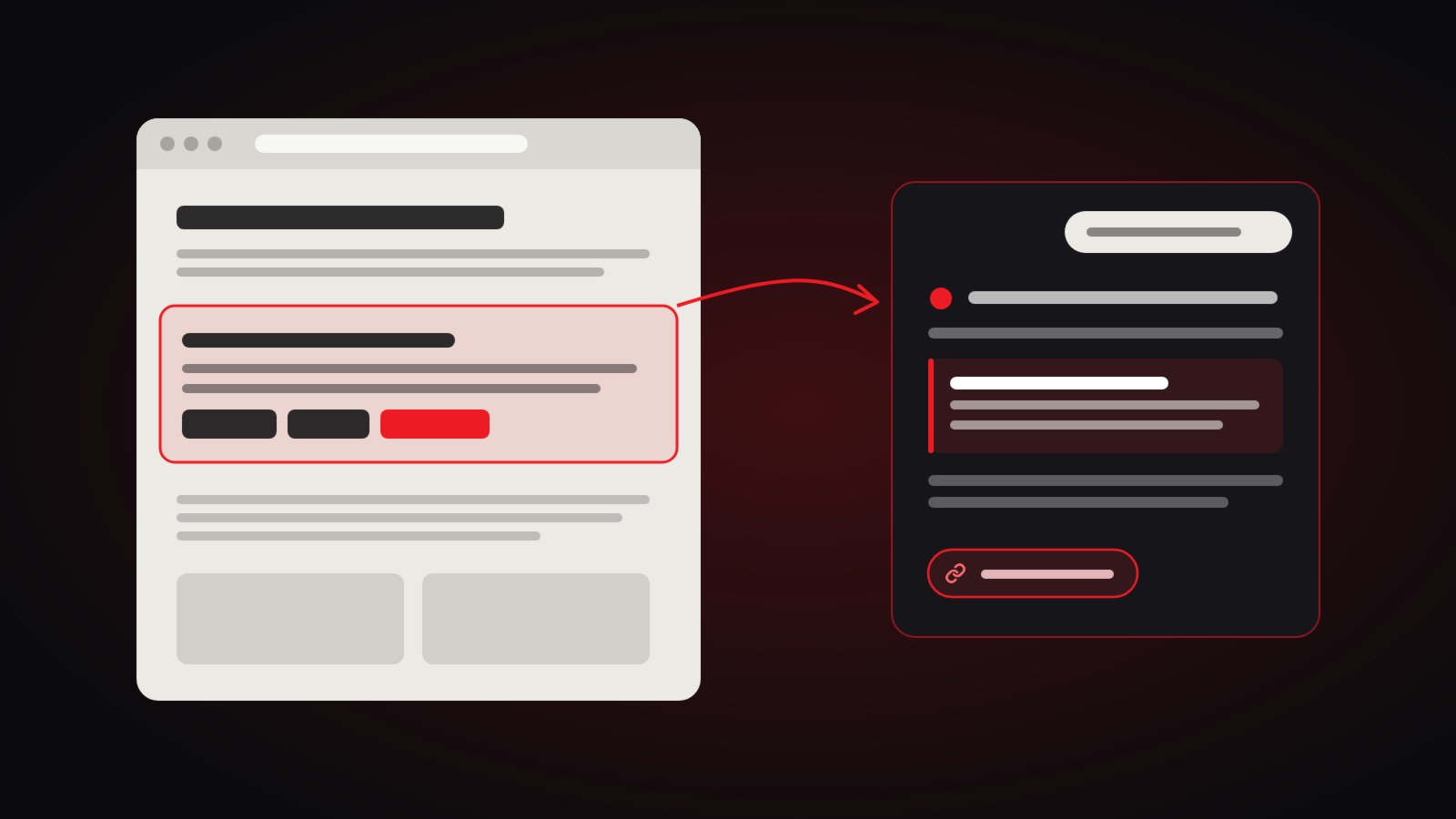
  2. Diagram: the dimensions on a flange drawing marked with red balloons; on the right, similar parts made before are found, bringing up the quote from that time

    Manufacturing AI

    Why is quoting from drawings slow? Let AI read the engineering drawing first

    The slowest part of quoting isn't the arithmetic. It's finding and reading: finding whether you've made something similar and what you quoted then, and reading the new drawing line by line. Where quoting from drawings gets stuck, how drawing-specific AI reads a drawing, real results, and what you need to get started. The overview of our manufacturing AI series.

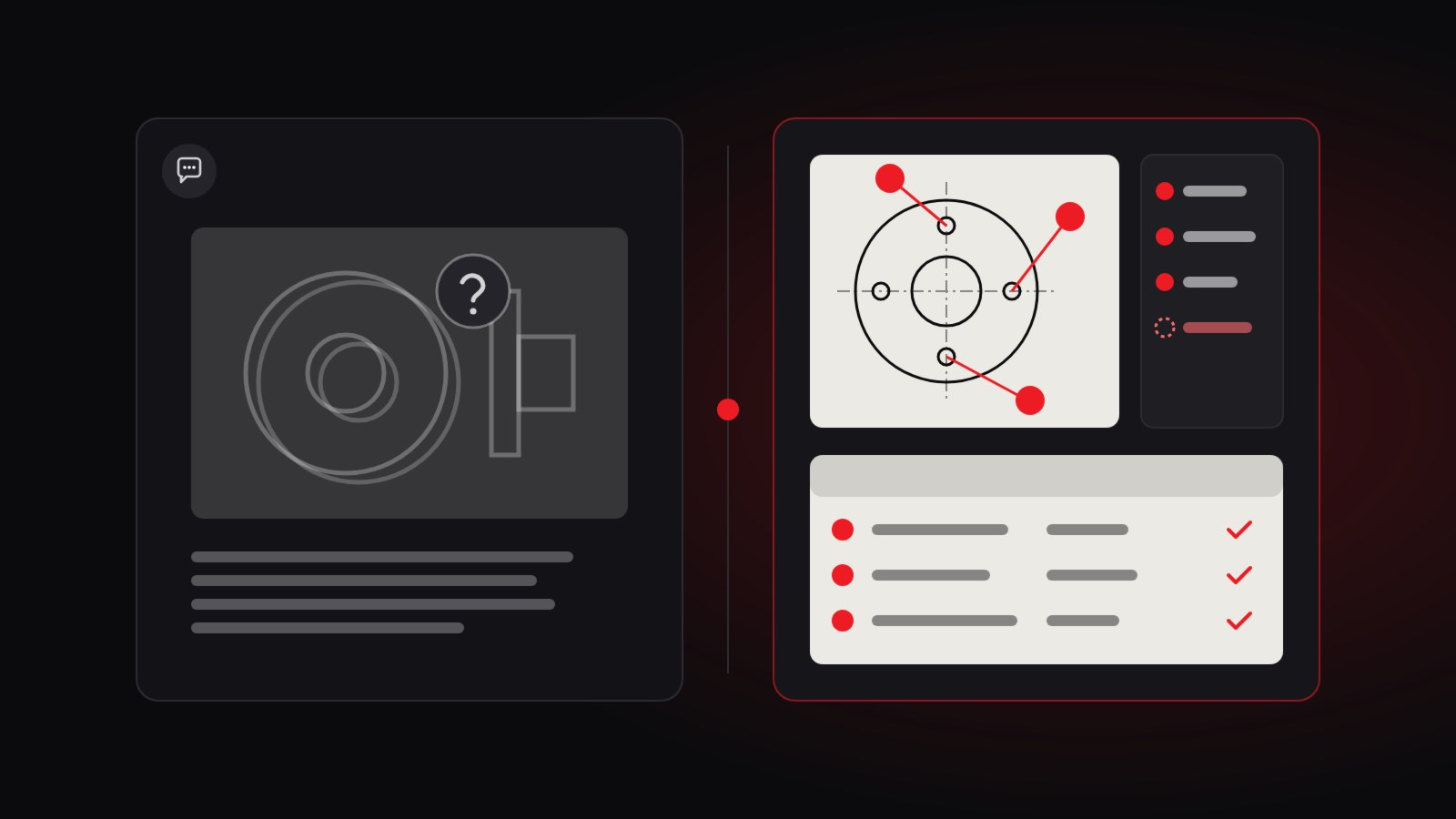
  3. Diagram: on the left, general AI treats the drawing as a picture and reads it blurred and full of question marks; on the right, drawing AI maps balloons back to positions and builds an inspection shee

    Manufacturing AI

    Can ChatGPT read engineering drawings? How general AI and drawing-specific AI differ

    Give ChatGPT an engineering drawing and it replies with something that sounds knowledgeable. But it can't open DWG files, misses annotations when they get dense, and gives different answers to the same drawing. This article compares general AI and drawing-specific AI on six points, and which work suits which.

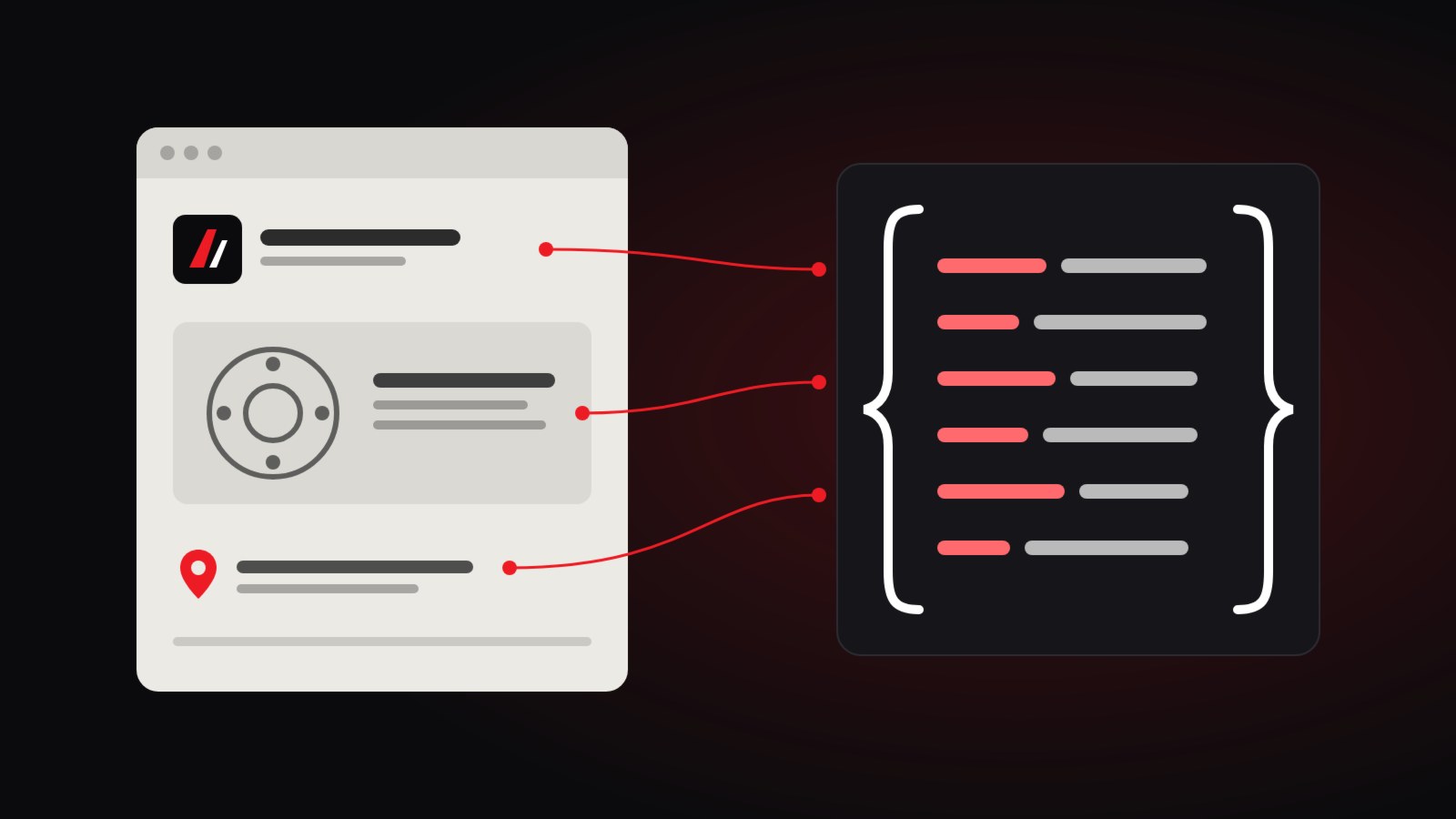
  4. Diagram: the logo, products and address on a web page, each linked by a red line to a line of structured data inside curly braces on the right

    GEO

    What is structured data, and why does AI need it to read your website?

    Structured data (JSON-LD) is a note written for search engines and AI: this is a company, this is an article, this is a set of questions and answers. Visitors don't see it, but machines no longer have to guess. What it looks like, which types a B2B website should mark up, and how to check it.

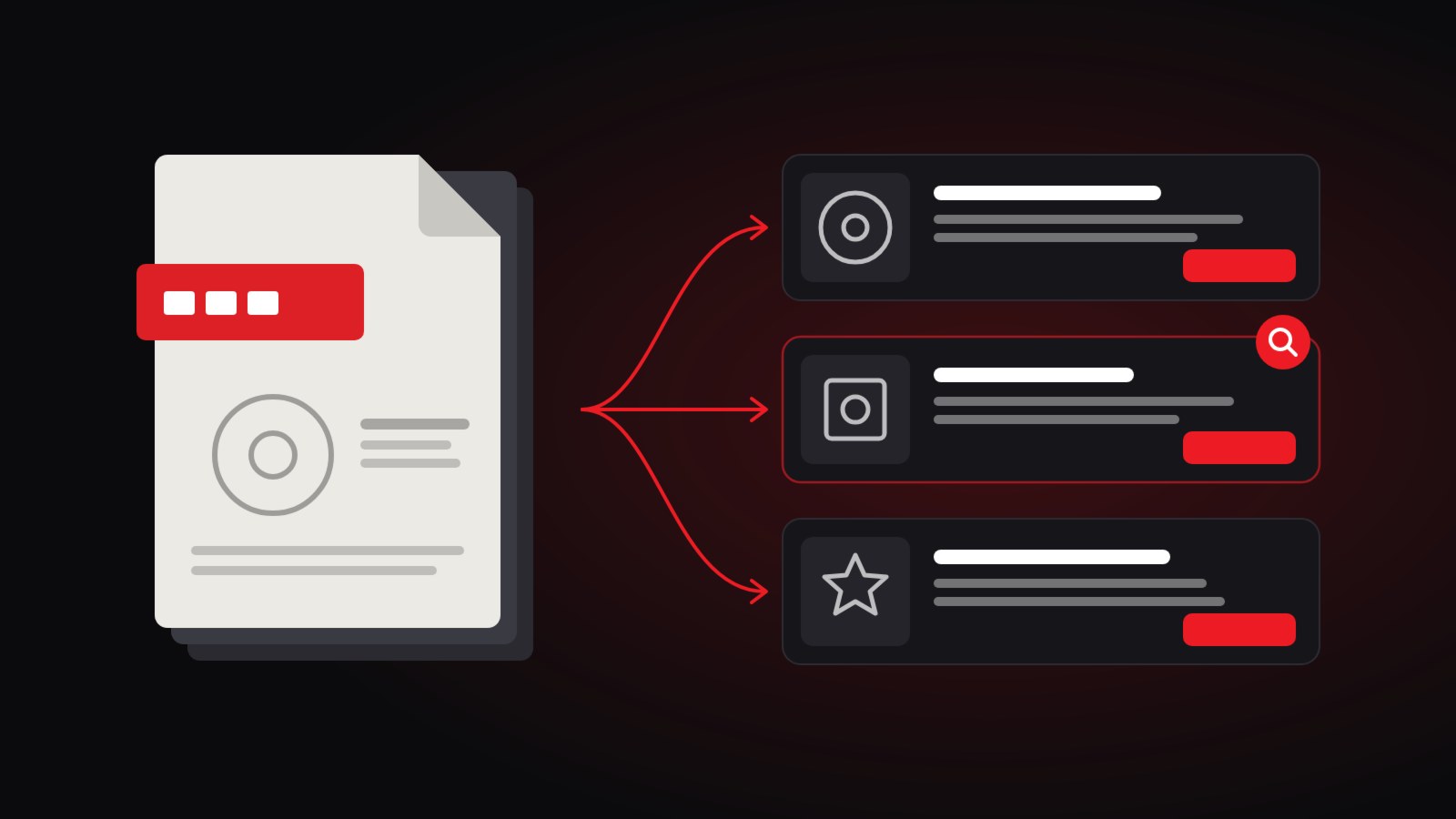
  5. Diagram: a whole PDF catalog split into three product web pages, each with an image, text and a red enquiry button, one of them found by search

    B2B Websites

    Can Google and AI read the PDF catalogs on your website?

    If your catalog is just a PDF download link, Google can read it, but not well, and a scanned catalog may not be readable at all. The four problems with PDF catalogs, a three-minute self-check, and how to publish them so buyers searching a model number find you.

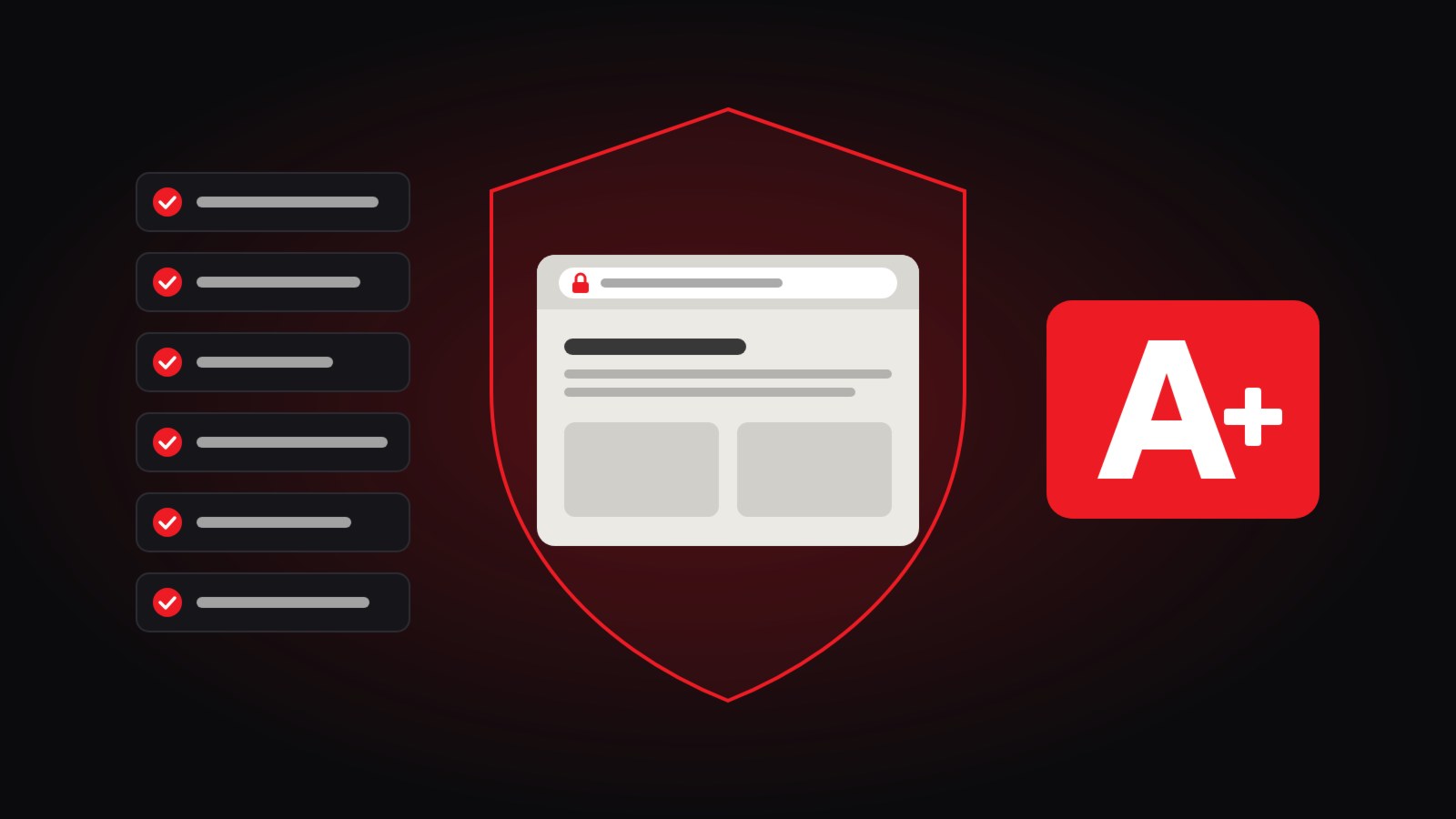
  6. Diagram: six security headers all ticked, a shield protecting a browser with a padlock in the address bar, and a red A+ rating on the right

    B2B Websites

    What are website security headers, and what does A+ mean?

    Security headers are a few lines of settings a website sends to the browser with every response, blocking common attacks. What the six most common headers do, where an A+ comes from, a three-minute self-check, and why B2B buyers care.

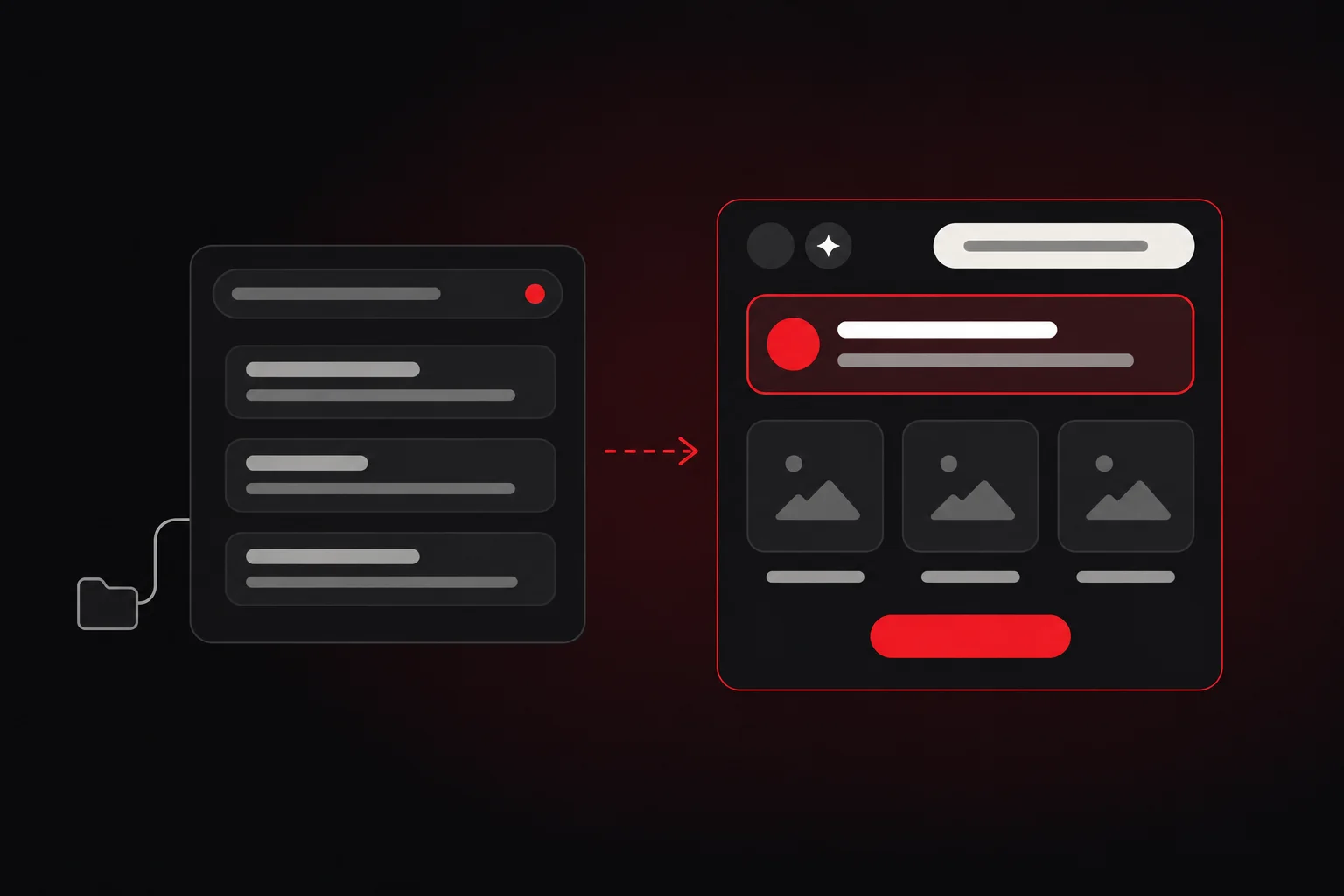
  7. Diagram: a chat window on the left, connected to a folder; a red dashed arrow points to a website being assembled on the right, with a hero block, three product images and a red button

    Ditto

    What is Ditto? A B2B website built through conversation, from one folder to launch

    Ditto is TAITAN's website service (TAITAN AI WEB): tell the AI designer what you want and it designs the whole site from scratch. Product photos and catalogs are pulled from a folder and published, with SEO, structured data and security headers built in from day one. This is the overview of the Ditto series.

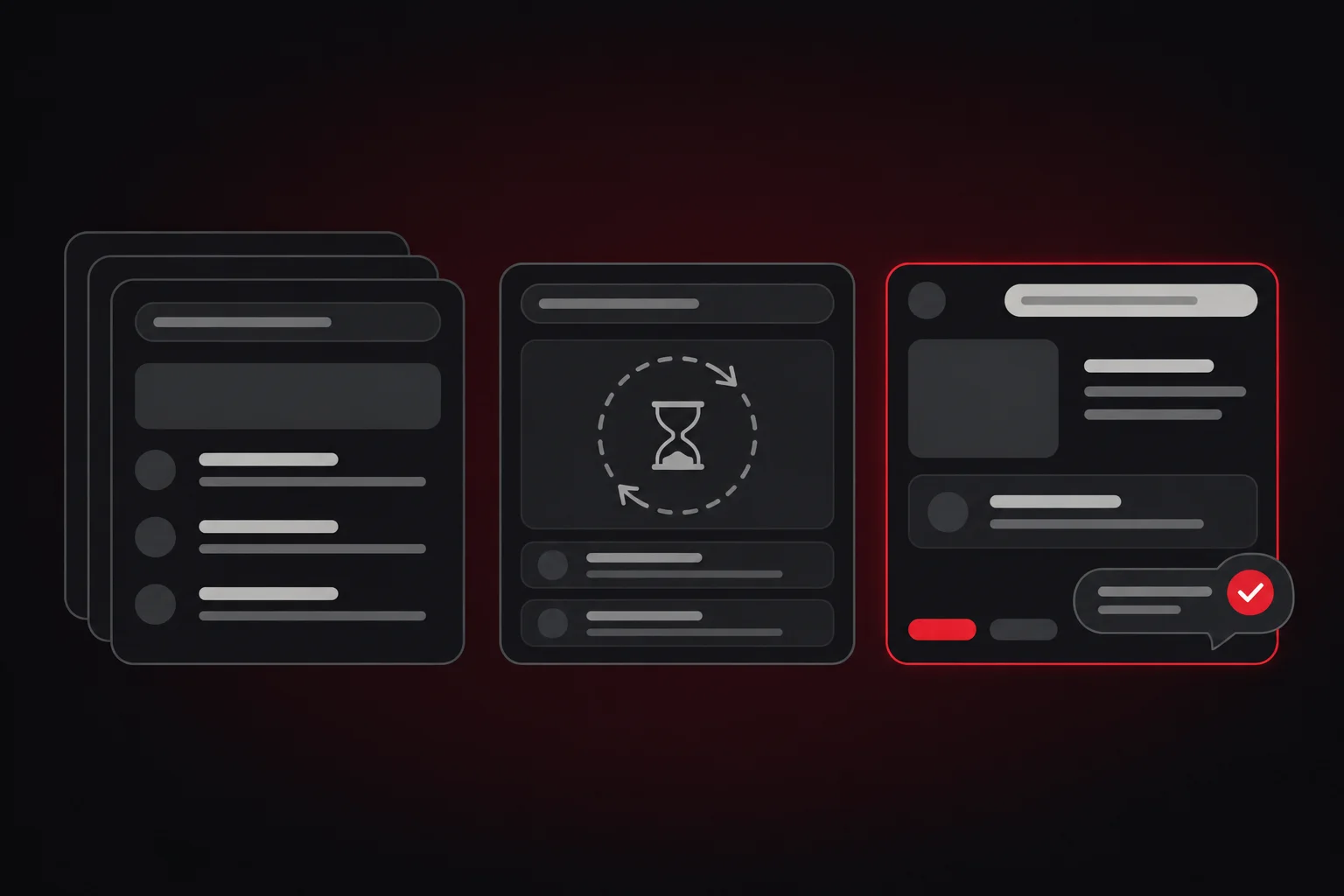
  8. Diagram: three website layouts side by side; on the left a stack of identical templates, in the middle an hourglass with a waiting loop, on the right a layout outlined in red with a chat bubble and a

    Ditto

    Template builder, agency or Ditto: three ways to build a B2B website

    Templates are fast but look like everyone else; agencies look good but every change means waiting. This article compares the three approaches on design, editing, SEO, security, inquiries and recovery, then gives you a list of questions to ask whichever vendor you choose.

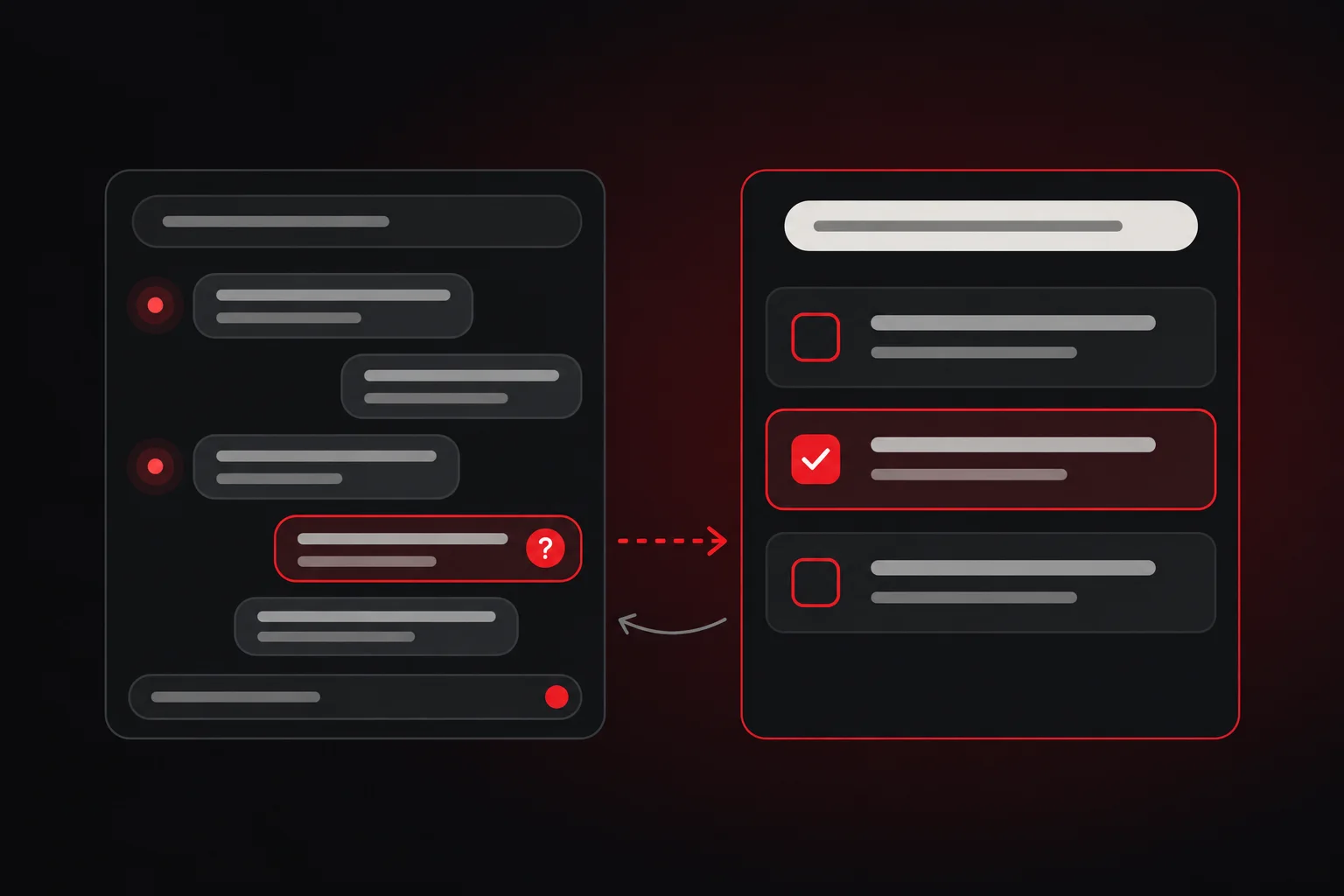
  9. Diagram: a website chat window on the left with one message marked by a red question mark; a red dashed arrow sends it to a to-do list on the right, where one item is already checked

    Ditto

    What can a website AI assistant do? Turning unanswered questions into content

    A website AI assistant answers visitors from your own content, 24 hours a day. Its most valuable output is the list of questions it couldn't answer: things buyers are asking that your site doesn't cover yet. How it works, what to prepare, and how to use it to make your website more complete.

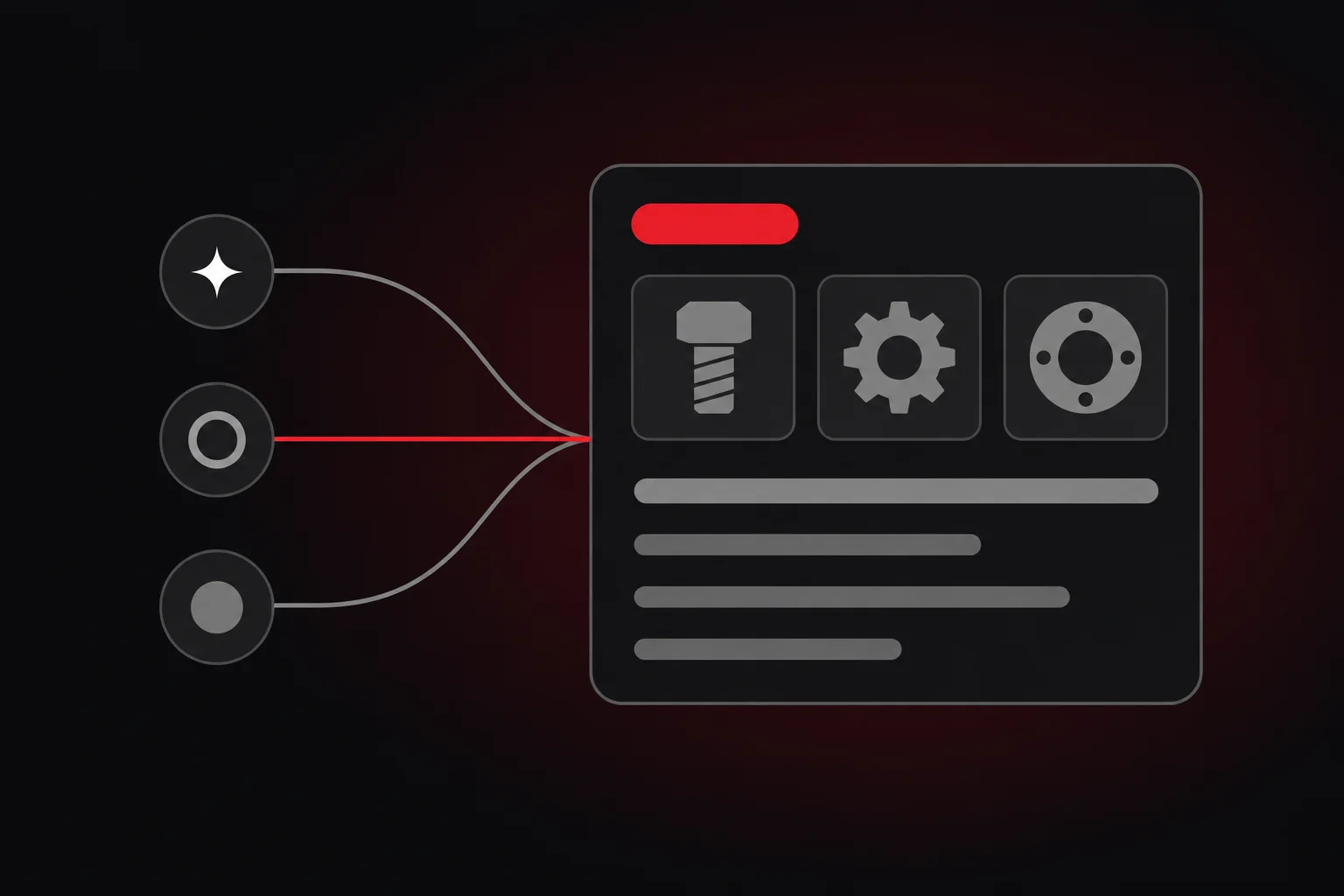
  10. Diagram: three source dots on the left connected by lines to an inquiry card on the right, the middle line in red; the card shows thumbnails of a bolt, a gear and a flange

    Ditto

    Where do your inquiries come from? Sources, UTM tags and AI traffic

    The same inquiry means something very different depending on whether it came from Google, a trade-show QR code or a ChatGPT answer. What source information an inquiry should carry, how to set up UTM tags, how to recognise AI traffic, and what decisions it helps you make.

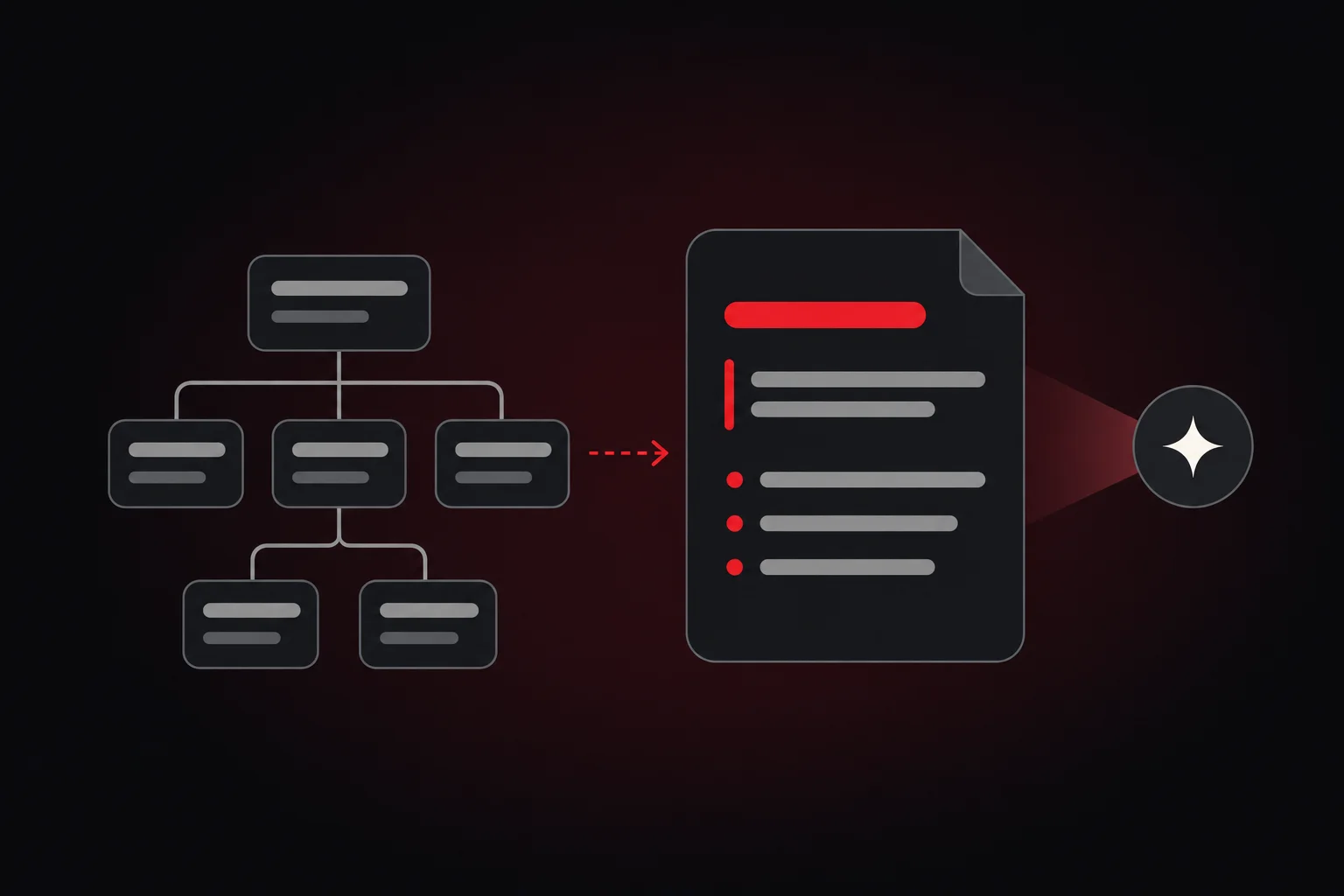
  11. Diagram: a site map on the left, a red dashed arrow to a text document in the middle with a red heading bar and a bulleted list, and an AI icon on the right reading it

    GEO

    What is llms.txt? A site summary written for AI, and whether you need one

    llms.txt is a Markdown file at the root of a website that describes the site for AI, proposed in 2024. It costs little to make, but Google has said plainly that it isn't needed and won't help rankings. What it looks like, where things actually stand, and where a B2B website should put its effort.

Where does your company
stand in AI answers?